Stop Telling Him Anything And Just Get To It

Stop Telling Him Anything And Just Get To It

Having ideas for me is easy. Ideas are just thoughts and who know where they come from, but they are impossible to stop. Turning an idea into an actual thing, executing it, manifesting it, that’s very hard. Nothing just comes, everything has to be implemented.

I have a voice in my head that plays devil’s advocate on any idea we are interested in pursuing. This analytical character loves to quickly game out our idea and get right to pointing out potential problems. While we struggle to maintain enthusiasm and even memory for the initial idea, they rapidly innumerate the pitfalls and problems we are likely to experience. Knowing us as well as we know ourselves, they are particularly adept at seeing where our weaknesses are going to come into play and reminding us how ideas didn’t work out in the past due to poor follow through and systemic indecision. There is only one way around this fellow, stop telling him anything and just get to it.

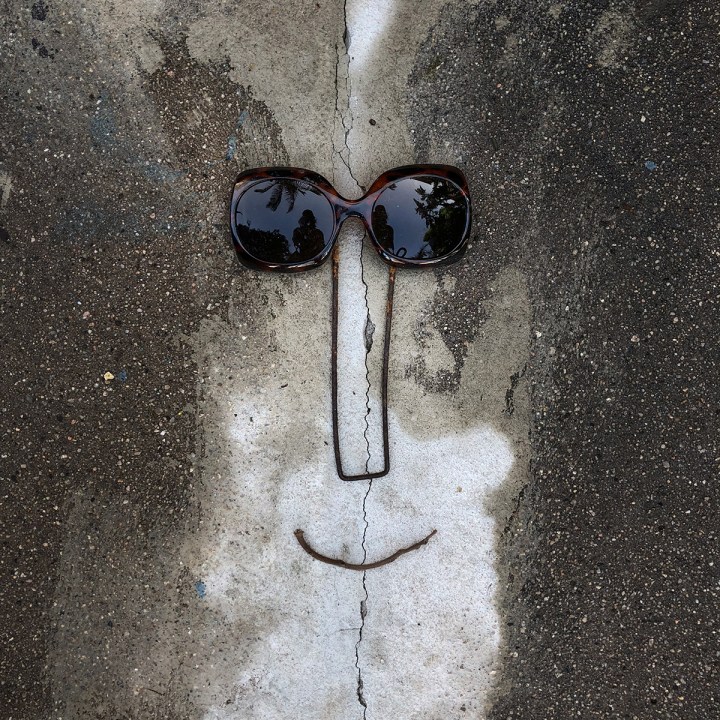
Take any part of the idea and implement something. If you want a blog, create a site on WordPress. If you want to draw, get some paper. Or even better, just draw something. On anything and hang it up where you will see it multiple times a day. Or maybe it’s a much bigger idea like turn Sidewalk Faces into a book, sell prints online, have a show. What do you do then?

The first idea, the initiating big idea, is not really a thing at all, it’s just a trail marker at the beginning of the hike. It signifies that you are at the beginning and should go forward. The good ideas come after you have taken the first action. They are more useful than the ideas the critic was responding to because those ideas were theoretical. The ideas that follow an action are much easier to implement because they are connected to something tangible. If you signed up with WordPress for a blog and then wrote a post it wouldn’t be too difficult to have an idea about a second post. And way less difficult to write it because all you would have to do is log in and go. The trick is to do the idea that has a motor behind it, the one you most truly want to do, not the one you think you should do. Not the one the critic says will add up to something.

I started this blog six years ago, before I had made my first Sidewalk Face. I didn’t know what it was for. I just wanted to write more. I wanted to see what I would write if I gave myself a place to do it. I am almost at one hundred posts! I now know what I like to write about and if I am able to conceptualize a book, I have some written content to play with. As for selling my work, I am so close. Stay tuned! Just don’t tell my inner critic what we are up to!

If Beggars Can’t Be Choosers…

If Beggars Can’t Be Choosers…

Someone was offering me a gift. It wasn’t quite to my liking and the phrase beggars can’t be choosers popped in my head. In this case, the gift was substantial, something I wouldn’t do for myself and was fortunate to be the beneficiary of. I wanted to want what was on offer, not crave something unavailable. Quoting this phrase to myself was supposed to help achieve that. But no sooner had I said the phrase then I started to dissect it. If beggars can’t be choosers, then choosers must what? Pay a fee? Instead of thinking about gratitude, I started to think about this new phrase.

The phrase implies that getting what you want means you need to have money. The better choices are usually more expensive. I get that with hotels and restaurants and carpets and homes. If choice is the most important thing, then money is the most important thing. The more money, the more choice.

But what if having the ability to choose without restriction excludes you from a different worthwhile experience? Is choice always the best option? Is it ever preferable to be the beggar?

Not everything in life is for sale and not every outcome is predicated on choosing. More often than not, fate is the chooser and makes beggars of us all. You don’t choose who you’re going to randomly meet and fall in love with. You don’t choose your child. You don’t choose to have an accident. You don’t choose the Fiestaware that came with your spouse. You don’t choose the things you find yourself obsessed with like a love of crystals or plants or Fiestaware or art. Many things just happen and often those things affect your life far more than what you do choose. No one’s gravestones talk about their great choice in carpets. So why do we think choosing is the ultimate in self-expression?

Also, while it’s wonderful to have what we want, it’s only wonderful if we know what we want. Our desires are a moving and morphing target. Sometimes you buy something you think you want and find out you don’t. That sucks. How do you learn what you love? You try new things. How do you try new things? An opportunity comes your way. Until you try it, you may not want to. Until you love it, you may be put off by it. There is always an unknown period of just experiencing something and learning from direct contact. We don’t get that with choice. You don’t know what the vegan tacos taste like when you choose the pork.

It’s important to develop both skills, both mindsets. If you are going to pay, you might as well get something good if you can. And for sure, it’s good to use your resources to support your affinities and open yourself to opportunity. But if you are going to be the recipient, it’s best to have the ability appreciate what you have been given, to orient towards the positive rather than ruminate on the negative. To see that maybe you have been given something very valuable and rare. Something you would never have otherwise. Don’t reject something before you really know what it is.

Sidewalk Face 814

Experience Makes You Confident

Experience Makes You Confident

There is no real confidence without experience. What we know without hesitation is the outcome of experience. Everything else is guessing.

To get experience you have to do the thing, the whole thing. You have to go from A to Z, from here to there, from beginning to end. And when you do, you know more, and you are secure in the knowledge of what you know.

Read about fire. Think about fire. Look at pictures of fire. Draw images of fire. Do you know fire?

Stick your hand in fire. You know fire.

Stick a raw potato in fire. Eat a cooked potato. You know fire.

If someone asks, Should I stick my hand in fire?, will you be insecure telling them no? If someone asks, Will fire cook food?, will you wonder if it does? Of course not.

That’s the confidence that comes from experience.